The way people pay has become almost invisible. They tap, swipe, scan, confirm, and move on. No fuss. No long pause. No awkward digging for cash while a queue forms behind them.
And because customers are now used to fast, flexible payments almost everywhere, your checkout experience matters more than it used to. It is no longer just the last step in a sale. It is part of how people judge your business.
You can have a beautiful shop, helpful staff, a strong product, or a carefully designed menu. But if payment feels slow, confusing, or outdated, that smooth experience suddenly loses its shine.
Your checkout setup should not only work. It should work well.
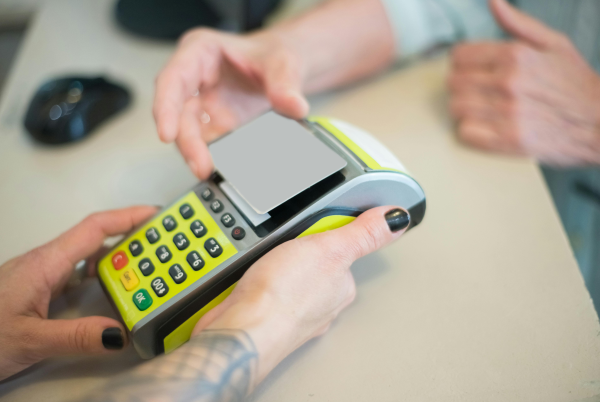
Why Payment Speed Matters More Than Customers Admit
Most customers will not tell you your payment process felt too slow. They usually just feel it. They notice when a card machine takes too long to connect. They notice when staff have to restart something, re-enter totals, or ask them to wait while the system catches up.
Small moments like these can change the mood of the purchase.
A fast checkout keeps the energy positive. The customer has already decided to buy. They are ready to leave with what they wanted. That final step should feel easy, not like a small admin task they need to get through.
How Modern Tools Make Small Businesses Feel More Polished
A polished business does not always need expensive branding, dramatic lighting, or a perfect interior. Sometimes, it is the practical details that make you look more professional.
A clear payment process. A receipt sent without fuss. A team member who knows exactly what to do. A system that does not make the customer repeat information or wait around while everyone looks uncertain.
Modern payment tools help create that polished feeling because they reduce friction. They make your business look organised, even when things are busy behind the scenes.
This is especially important for smaller businesses. You may not have a huge team or a big operating budget, but your customer still expects convenience. They want to pay in the way that suits them. Card. Contactless. Mobile wallet. Sometimes online or over the phone, depending on your business.
When your setup supports those choices, you do not look small in the wrong way. You look capable, prepared, and current.
That builds trust.
Where POS devices Fit Into a Smoother Customer Journey
The best checkout tools do more than take payments. POS devices can support a smoother customer journey by helping sales, stock, receipts, and reporting work together in one cleaner process.
That matters because the customer only sees the surface. They see whether the transaction is quick. They see whether the staff member is confident. They see whether the total is correct and whether the payment works the first time.
Underneath that, your system is doing useful work. It can help reduce manual mistakes. It can make it easier to track what has sold. It can support better daily reporting. It can show you busy times, popular products, and buying patterns.
That means the checkout is not just the end of the sale. It is also a source of business insight.
And when you understand what is really happening in your business, you can make better decisions. Not guesses. Decisions.
The Customer Should Not Have to Think About Your System
Here is the strange thing about a good payment setup: customers should barely notice it.
They should not have to wonder which cards you accept. They should not have to stand around while a device struggles to connect. They should not feel like paying is a separate project.
A strong checkout experience feels natural. The customer buys, pays, receives confirmation, and leaves feeling satisfied.
When the process works smoothly, it supports the emotional part of the sale. The customer feels respected because you did not waste their time. They feel confident because your business feels organised. They feel good about buying from you.
That feeling is valuable.
People often return to businesses that make life easier. Not because they sit and analyse the checkout process, but because the whole experience feels better than somewhere else.
Your Staff Need Systems That Help, Not Slow Them Down
It is easy to think about checkout from the customer’s side only, but your staff experience matters too.
When your team has to fight with outdated tools, it affects everything. They become slower. They get frustrated. They may need extra steps to complete simple tasks. During a rush, that pressure shows.
Better systems give your staff more confidence. They can focus on the person in front of them instead of worrying about whether the payment will go through. They can correct mistakes faster. They can handle common questions without needing to call someone over every few minutes.
That kind of confidence changes the atmosphere of your business.
Customers do not just buy products. They read the room. If your staff look calm and capable, your business feels more trustworthy.
The Future of Checkout Is Really About Flow
The businesses that get checkout right are not only thinking about transactions. They are thinking about flow.
How does the customer move through the space? How long do they wait? How easily can staff complete the sale? How quickly can the next person be helped? How much useful information does the system give back to the business?
That is where the real shift is happening.
Payment is becoming faster, simpler, and more connected. Customers expect that now. They may not say it out loud, but they feel it when a business is behind.
So, the question is not only whether your checkout works. The better question is whether it supports the kind of experience you want people to remember.
Because the sale does not end when someone decides to buy.
It ends when they leave thinking, “That was easy.”