Quick Answer
Ignoring minor drain problems can trigger a cascade of expensive complications throughout your home’s plumbing system. What begins as a slow-moving sink often signals deeper obstructions that worsen over time, potentially leading to pipe corrosion, sewage backups, or structural water damage. Early intervention typically requires simple clearing methods, whereas delayed action frequently demands invasive repairs, emergency service calls, and significant restoration work. Addressing drainage concerns promptly preserves your property’s integrity and avoids disruptions to daily household routines.
Introduction
You notice the water in your bathroom sink hesitating – just a second longer than usual before disappearing down the drain. It’s easy to dismiss as a fluke, especially when a quick plunge seems to resolve it. Yet that brief delay often marks the first whisper of a developing problem beneath your floors. Canadian homes face unique plumbing stressors, from mineral-rich municipal water contributing to scale buildup to seasonal temperature swings affecting pipe integrity. These subtle shifts rarely announce themselves dramatically, which makes early recognition critical.
When minor drainage irregularities emerge, many homeowners attempt DIY remedies before considering expert assessment. While store-bought solutions might offer temporary relief, they seldom address root causes – particularly when tree roots infiltrate lateral lines or grease accumulates in older cast-iron piping. Understanding when to seek specialized help makes all the difference. Reaching out to a trusted local provider like Quicker Rooter Plumbing ensures issues are diagnosed accurately before they compromise your home’s infrastructure.
Left unattended, what seems like a trivial inconvenience can evolve into a full-scale household emergency within weeks. The financial and emotional toll of sewage backups or flooded basements far outweighs the modest investment in timely inspection. This article explores why those initial warning moments deserve your immediate attention – and how proactive awareness protects both your property and peace of mind.
The Hidden Progression of Minor Drain Problems
What begins as an almost imperceptible slowdown in your kitchen sink rarely stays contained. Drain systems operate as interconnected networks – when one segment experiences restriction, pressure redistributes throughout the entire configuration. This redistribution accelerates wear in vulnerable sections, particularly at pipe joints or where older materials meet modern PVC replacements common in Canadian renovations.
From Annoyance to Emergency: A Typical Timeline
Most homeowners underestimate how quickly minor restrictions evolve. Consider this realistic progression observed across Canadian households:

Recognizing Subtle Indicators Before Crisis Hits
Many residents wait for dramatic flooding before taking action, yet earlier signals provide crucial intervention windows:
- Water lingering noticeably longer after showering
- Recurring clogs despite regular plunging
- Unexplained damp patches on basement walls near plumbing runs
- Persistent musty odours without visible moisture sources
- Toilet water level fluctuating without flushing
These drain blockage warning signs often manifest weeks before catastrophic failure. In regions with older municipal infrastructure – common across established Canadian neighbourhoods – household symptoms may actually reflect broader sewer line issues requiring coordinated municipal attention.
Why DIY Solutions Often Accelerate Damage
Chemical drain cleaners dominate hardware store shelves for good reason: they create immediate visual results. Unfortunately, their caustic compounds rarely dissolve entire obstructions. Instead, they eat through the centre of blockages while corroding pipe interiors – particularly problematic for homes with original galvanized steel or clay tile lines. Repeated applications thin pipe walls until minor pressure changes trigger leaks inside wall cavities, where moisture remains undetected for months.
Mechanical methods like hand augers work effectively for hair clogs near fixture traps but cannot reach deeper obstructions. When forced beyond their design limits, they scratch pipe interiors, creating textured surfaces where future debris catches more readily. This unintended consequence transforms occasional maintenance into a recurring necessity.
Taking Smart Action Before Small Issues Escalate
Recognizing early drainage irregularities is only valuable when paired with measured, informed responses. Homeowners who address concerns methodically often avoid emergency scenarios entirely – transforming potential crises into routine preventative plumbing maintenance. The key lies in distinguishing between tasks suitable for confident DIY handling and situations demanding specialized assessment.
Your Immediate Response Checklist
When you first notice sluggish drainage, follow these steps before reaching for chemical solutions:
- Run hot (not boiling) water for 60 seconds to soften grease-based accumulations
- Use a manual plunger with a tight seal – apply steady pressure rather than forceful thrusts
- Inspect nearby floor drains or cleanout ports for backup signs indicating main line involvement
- Document when symptoms occur (after laundry? during heavy rainfall?) to help diagnose patterns
- Temporarily reduce water usage in affected areas to prevent pressure buildup behind partial blockages
These actions buy time for thoughtful decision-making without worsening underlying conditions. They also provide valuable context if you later consult a specialist – details about timing and symptom progression significantly speed accurate diagnosis.
Building a Homeowner Maintenance Routine
Consistent attention prevents most emergency scenarios. Simple quarterly habits make substantial differences in system longevity:

Knowing When Expert Assessment Becomes Necessary

Some situations warrant immediate specialist involvement regardless of DIY attempts:
- Multiple fixtures backing up simultaneously
- Sewage odours persisting after basic cleaning
- Water pooling around floor drains without obvious cause
- Recurring blockages in the same location within 30 days
- Visible foundation cracks coinciding with drainage changes
These indicators often point beyond simple clogs toward structural concerns or municipal sewer complications. Qualified technicians bring diagnostic tools – like video inspection cameras – that reveal hidden pipe conditions without destructive exploratory work. Accessing professional drain services at this stage typically resolves issues with minimal disruption, whereas delay frequently necessitates invasive repairs involving floor or wall reconstruction.
Understanding Your Options When Professional Help Is Needed
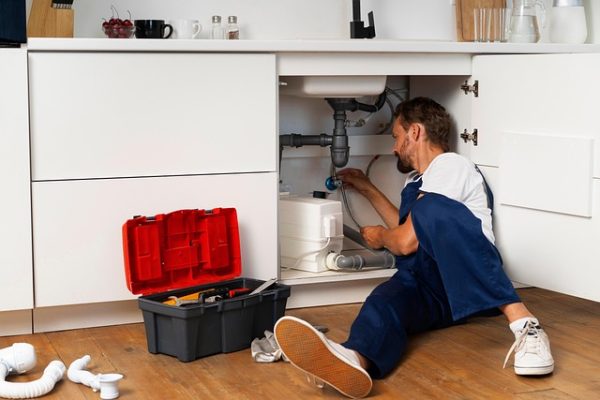
Image by ClassicAire Care from Pixabay
When DIY methods reach their limits, knowing what legitimate service options exist helps you navigate consultations with confidence. Canadian plumbing professionals typically offer tiered diagnostic and remediation approaches – each suited to specific problem types. Familiarity with these methods ensures you can ask informed questions and recognize appropriate recommendations versus unnecessary upselling.
Common Diagnostic and Remediation Methods
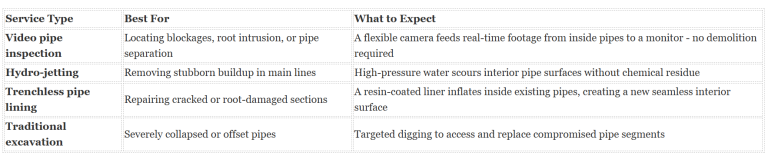
Modern plumbing specialists employ non-invasive technologies before suggesting disruptive repairs. Understanding these options helps contextualize service recommendations:
Questions to Ask Before Authorizing Work
 Questions to Ask Before Authorizing Work
A transparent service provider welcomes these inquiries:
- “Can I view the video inspection footage before approving repairs?”
- “What specific evidence indicates this solution addresses the root cause?”
- “Are there less invasive alternatives worth attempting first?”
- “What warranty covers both labour and materials for this repair?”
These questions establish collaborative problem-solving rather than transactional service. They also help distinguish between technicians addressing actual conditions versus those applying standardized fixes regardless of circumstance.
Seasonal Considerations for Canadian Homeowners
Timing influences both urgency and repair approaches across Canada’s climate zones:
- Late fall: Addressing slow drains before deep freeze prevents ice amplification of existing blockages
- Spring thaw: Ground saturation stresses compromised sewer lines – ideal time for preventative camera inspections
- Summer: Dry conditions simplify exterior access for necessary excavations with minimal landscape disruption
Understanding these rhythms helps schedule assessments during optimal windows rather than reacting under emergency pressure when options narrow and costs rise.
Final Thoughts: Your Home Deserves Proactive Care
That moment when water hesitates in the sink basin isn’t an inconvenience – it’s information. Your plumbing system communicates through subtle cues long before emergencies manifest. Canadian homes, with their unique blend of older infrastructure and climate pressures, reward attentive owners who interpret these signals early rather than waiting for dramatic failure.