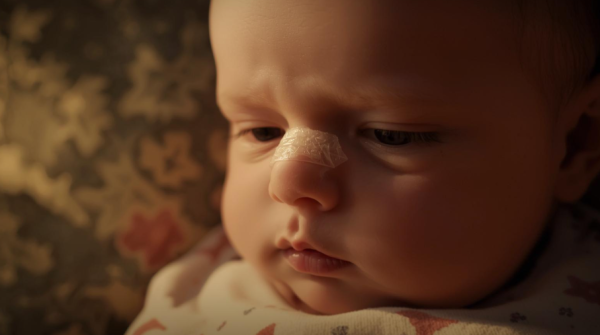
When your baby is congested, fussy, and uncomfortable, it’s natural to wonder if something more serious than a cold is going on. Many parents worry about the possibility of a sinus infection in infants, but the reality is a little more nuanced. Because babies’ sinuses are not yet fully developed, true sinus infections are rare. That’s why many cases of congestion or prolonged colds may appear similar to sinus infections but aren’t actually the same.
At home, parents often look for safe and gentle ways to ease their baby’s discomfort. A helpful tool is an infant nasal aspirator, which can clear mucus buildup and make breathing easier while you monitor symptoms.
Understanding the Basics: Is an Infant Sinus Infection Even Possible?
The short answer is yes—infants can develop sinus infections, but it’s not common. Unlike older children or adults, babies are born with only two sets of sinuses: the ethmoid sinuses (between the eyes) and the maxillary sinuses (in the cheek area). The frontal and sphenoid sinuses don’t fully form until later in childhood.
Because of this limited sinus development, true sinus infections are much rarer in infants. However, when mucus builds up in these early sinuses due to congestion, colds, or allergies, an infection can still occur.
The Anatomy of a Baby’s Face: Why True Sinus Infections Are Rare
Babies’ facial anatomy plays a key role in why sinusitis is less common in the first year of life.
- Immature sinuses – With only the ethmoid and maxillary sinuses present, there are fewer spaces for bacteria to grow.
- Narrow nasal passages – This makes congestion more common but also means infections are less likely to spread deep into the sinuses.
- Developing immune systems – Infants may still be learning to fight off germs, but in many cases, their bodies handle colds before they progress into infections.
That said, structural issues such as enlarged adenoids or frequent colds can make some babies more prone to sinus problems.
More Than a Cold: Recognizing the Key Symptoms to Watch For
Most colds in babies clear up on their own, but sometimes symptoms linger or worsen. Here are signs that point to a possible sinus infection:
- A cold lasting more than 10–14 days without improvement
- Thick, yellow or green nasal discharge that continues for at least three days
- Fever (low or high grade) that doesn’t improve
- Persistent cough or post-nasal drip, especially at night
- Swelling around the eyes or cheeks
- Bad breath or irritability not explained by teething
- Noticeable fatigue or feeding difficulties
If several of these occur together, it may be more than just a typical cold.
Spotting the Difference: The Red Flags That Point Beyond a Cold
Colds and sinus infections share many symptoms, which makes it hard to tell them apart. However, a few red flags can help:
- Duration – Colds usually resolve in 7–10 days; sinus infections last longer.
- Pattern – A cold may gradually improve, while sinus infections often worsen after initial improvement (“double sickening”).
- Severity – High fevers, significant irritability, or noticeable facial swelling suggest infection.
- Discharge – While colds can cause runny noses, thick mucus that sticks around is more suspicious.
Trust your instincts—if your baby seems more unwell than a normal cold would explain, it’s time to call the doctor.
The Doctor’s Role: How a Sinus Infection is Diagnosed
Unlike adults, infants can’t tell you they have a headache or pressure in the face. That’s why pediatricians diagnose sinus infections based on symptoms and physical exams rather than just what the baby describes.
Your pediatrician may:
- Ask about how long symptoms have lasted
- Look inside your baby’s nose, ears, and throat
- Check for fever, eye swelling, or other signs of infection
In most cases, imaging tests (like X-rays or CT scans) are not needed unless the infection is severe or complications are suspected.
From Diagnosis to Treatment: What to Expect Next
Treatment depends on whether the sinus infection is viral or bacterial.
- Viral sinusitis: The majority of infant sinus infections are viral and resolve on their own. Antibiotics won’t help here—symptom relief and home care are the main approaches.
- Bacterial sinusitis: If symptoms last more than 10 days or worsen after initial improvement, your doctor may prescribe antibiotics. Babies usually show improvement within a few days, but finishing the full prescription is important.
- Chronic sinusitis: Rare in infants but possible if infections happen often or last longer than 12 weeks. Your pediatrician may refer you to an ENT (ear, nose, and throat specialist) for further evaluation.
Your Role at Home: Gentle Care for Your Baby’s Comfort
Even if antibiotics are prescribed, supportive care makes a big difference in keeping your baby comfortable. Here are some gentle methods:
- Clear nasal passages – Use a baby nasal aspirator with saline drops to loosen and suction out mucus. This helps your baby breathe, feed, and sleep better.
- Use a humidifier – Moist air can ease congestion and soothe irritated nasal passages.
- Keep your baby hydrated – Offer frequent breastfeeding, formula, or small sips of water (if age-appropriate).
- Elevate the head – Slightly propping up your baby’s head while supervised can help reduce mucus buildup.
- Fever management – Use acetaminophen or ibuprofen only under pediatric guidance.
Tip: When using an infant nasal aspirator, gently insert it into the nostril after saline drops have been applied. This makes suctioning more effective and comfortable.
Trust Your Gut: When to Call the Pediatrician
Call your pediatrician right away if you notice:
- Symptoms lasting longer than 10 days without improvement
- High or persistent fever above 100.4°F (38°C)
- Difficulty breathing, flaring nostrils, or chest retractions
- Severe irritability, lethargy, or feeding refusal
- Swelling or redness around the eyes
- Decreased wet diapers or signs of dehydration
If you ever feel your baby is not breathing properly or seems seriously ill, seek emergency care immediately.
Key Takeaways for Parents
- True sinus infections in infants are rare, but they can happen.
- Watch for persistent symptoms, fever, and worsening discharge as warning signs.
- Most infections are viral and resolve with supportive care.
- Antibiotics are only needed for bacterial cases.
- Gentle home remedies—like using a saline solution and an infant nasal aspirator—can greatly ease your baby’s discomfort.
- Always trust your instincts and call your pediatrician if something feels off.
Final Thoughts
While an infant sinus infection can sound alarming, most cases resolve without serious issues. By understanding the difference between a cold and sinusitis, knowing when to seek medical help, and providing comfort at home, you can help your baby recover smoothly.
For daily relief from congestion, many parents find that a safe, gentle infant nasal aspirator is an essential tool for keeping little noses clear and babies breathing comfortably.