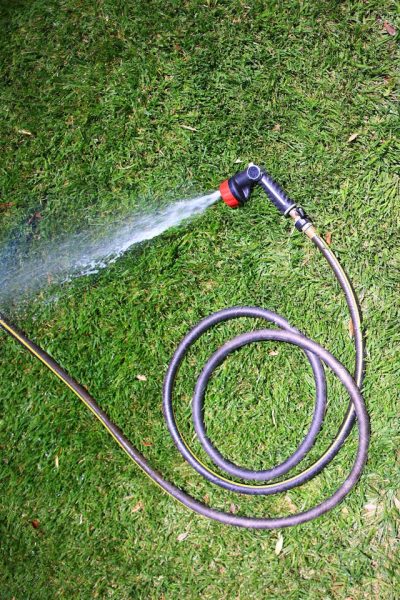
Cold weather can make outdoor water use a challenge, especially if hoses or pipes freeze and crack. A heated garden hose solves this problem by keeping water flowing even in below-freezing conditions. It can help protect outdoor faucets, prevent trapped ice, and make winter chores easier. To install and use a heated garden hose without damaging pipes, choose one designed for outdoor cold-weather use and connect it with care to avoid leaks or overheating.
A proper setup also depends on location and usage needs. Some hoses plug into standard outlets, while others include thermostats that activate only at low temperatures. Using the correct method keeps water safe and prevents the hose from stressing your plumbing. It also extends the hose’s lifespan.
Learning to maintain the hose after installation matters as well. Regular checks, dry storage, and careful handling protect both hose and pipe connections. With a little attention, a heated garden hose becomes a dependable tool that helps keep outdoor water systems working through the winter.
Choosing and Installing a Heated Garden Hose Safely
A heated garden hose helps keep water lines clear in freezing temperatures and protects outdoor connections from damage. Proper selection, setup, and electrical use reduce the risk of leaks, shorts, and frozen pipes.
Selecting the Right Heated Garden Hose for Your Needs
Hose length and wattage affect both performance and safety. Longer models, such as a 100 ft self-regulating heated garden hose, help cover larger areas and maintain flow through long runs. A self-regulating design adjusts its heat output based on ambient temperature, which prevents overheating and conserves energy.
Material choice also matters. Hoses rated as drinking water safe contain no lead or BPA and resist cracking in low temperatures. Strong insulation protects against cold winds and ice buildup. A standard 120V cord with a Ground Fault Circuit Interrupter (GFCI) plug improves electrical safety.
Before purchase, check that fittings match standard outdoor spigots and attachments. A ⅝-inch inside diameter often provides steady water pressure without slowing flow, which makes it suitable for most outdoor uses in winter.
Proper Installation Steps for Freeze Protection
Start by checking the hose for cracks or frayed cords. Any visible damage can cause leaks or shorts after installation. Connect one end firmly to the outdoor faucet and the other to your water supply line or fixture. Tighten fittings by hand only—overtightening may harm the threads.
Lay the hose in a straight path to prevent sharp bends. Avoid placing it on rough edges or areas that collect standing water. Make sure the hose’s thermostat remains uncovered so it senses air temperature correctly and activates the heat element around 40°F.
If the forecast predicts prolonged cold, leave the hose plugged in while in use. Drain all water after each use, coil loosely, and store it indoors once winter ends. This helps prevent damage from trapped ice or internal pressure.
Safety Precautions and Electrical Guidelines
Always plug the hose into a GFCI-protected outlet. This type of outlet shuts off power immediately if a fault occurs. Avoid using extension cords, which may overheat or lower the voltage. Keep electrical connections away from wet surfaces.
Never power the hose without water flow, as internal wires can overheat. Position the plug and thermostat out of direct sunlight and strong winds to maintain accurate heating cycles. Inspect cords often for wear and replace them if cracks or exposed wires appear.
During cold weather, keep the hose connected and powered to stop freezing inside. Once temperatures rise, disconnect and drain it fully before storage. Regular inspection and careful handling will extend its service life and keep outdoor plumbing safe.
Using and Maintaining Your Heated Garden Hose
A heated water hose helps keep water flowing in freezing temperatures. Proper use, inspection, and seasonal care reduce wear, prevent damage to pipes, and extend the equipment’s life.
Best Practices for Daily Use
Use a GFCI-protected outlet to power the heated hose safely. This outlet type shuts off electricity instantly in case of moisture contact. Keep the thermostat sensor exposed to outside air so it can adjust heat levels correctly.
Avoid looping or tightly coiling the hose while in use, as that can trap heat in one section. Lay it fairly straight on the ground, keeping kinks out to allow even heat flow. If the heated hose connects to an RV or outdoor faucet, make sure fittings stay tight but not over-tightened.
Do not leave the hose plugged in without a water supply for long periods. The heating element inside may overheat if it is dry. Run water through the line briefly each day to confirm that the internal heater functions properly. A simple temperature check near the fitting area can help confirm that it produces gentle warmth, not hot spots.
Preventing Pipe and Hose Damage
Heat tape or a built-in heating element helps protect against freezing, but misuse can cause pipe damage. Choose self-regulating heat tape or a hose heater that adjusts to outside temperature changes. This type reduces burn risk and protects vinyl or rubber hoses from melting.
Inspect the cord and hose regularly. Replace it immediately if cracks, frayed wires, or scorch marks appear. Keep electrical connectors off the ground to prevent corrosion from snow or standing water.
Never wrap additional insulation too tightly around the hose or pipe. That traps heat instead of dispersing it evenly, raising surface temperature beyond safe levels. Most outdoor-rated heated garden hoses already include insulation, so extra wrapping usually adds little benefit.
Storage and Seasonal Care
After winter, unplug the hose and drain all water before disconnecting it. Leftover water can freeze or cause buildup that shortens the hose’s life. Roll it in wide loops rather than tight coils to prevent internal wire stress.
Store it in a dry, sheltered place such as a shed or garage. Avoid direct sunlight or sharp bends while storing. Before using it again, inspect all connectors, cords, and insulation.
If the product includes heat tape controls or thermostats, label and store them in a plastic container separate from the hose. This prevents dust or moisture from harming sensitive parts. Clean both hose ends and fittings with a dry cloth before reconnecting in cold weather.
Conclusion
A heated garden hose can help protect outdoor plumbing from freeze damage in cold weather. It keeps water flowing and reduces the chance of a burst pipe, which can lead to costly repairs. However, safety depends on correct setup and regular checks.
Users should always choose a hose designed for heat cable use and follow all manufacturer directions. The connection must stay dry, and the power source should have ground-fault protection to prevent electric hazards.
Routine inspection helps detect wear or cracks before they cause leaks. Simple habits such as draining unused hoses and unplugging the heat source after use add safety and extend hose life.
By following proper steps and basic care, homeowners can keep their outdoor water systems safe during winter without harming pipes or equipment.