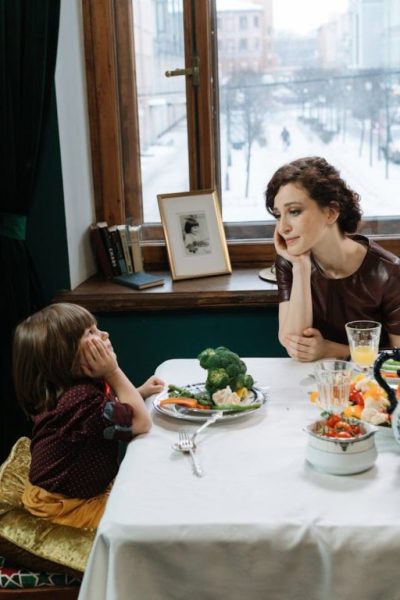
Food anxiety in children – in which kids develop anxiety or fear in relation to food – is surprisingly common. It could manifest as a fear of trying new foods, a distressing reaction to certain textures or flavours, or stress about eating in social settings. Food anxiety can make meal times a nerve-wracking experience both for the child experiencing the anxiety and the adults taking care of them. However, it’s essential to understand that there are ways to navigate through this challenge. With patience, understanding, and the following key strategies, you can help a child with food anxiety regain their confidence and find joy in eating.
Understanding is Key
The first step in supporting a child with food anxiety is understanding the root cause of their anxiety. Each child’s situation is unique, and various factors could contribute to food anxiety. These include sensory sensitivity to particular tastes or textures, negative past experiences with specific foods, fear of choking, or social anxiety related to eating. They could also be experiencing anxiety about food-related stories on the news that they haven’t understood properly – in which case it’s important to explain the full story and issue as calmly and comfortingly as you can. Official advice and information can help here – for example, you can find brand advice about produce recalls here.
Creating a Safe and Comfortable Eating Environment
Anxiety tends to escalate in stressful situations. As such, try to create a relaxed eating environment for your child with a consistent, predictable routine they can rely on. Avoid any pressure or coercion during mealtimes. Instead, make meals fun and enjoyable by incorporating play and creativity. For instance, you can play soft, calming music in the background or allow your child to help make the meal. Moreover, maintain a consistent routine for meal times. Predictability offers a sense of security, especially to children suffering from anxiety.
Introducing New Foods Gradually
One of the most common manifestations of food anxiety is the fear of trying new foods. So, introduce new foods to your child slowly and in small portions. Starting small not only makes the new food less intimidating but also allows the child to gradually adjust their palate. Additionally, serve the new foods alongside familiar ones to create a sense of comfort.
Consistent Positive Reinforcement
Consistent recognition of a child’s efforts can go a long way in alleviating his or her food anxiety. Use positive reinforcement every time they try a new food or handle a stressful food situation effectively. This could be a compliment, a warm hug, or small rewards. The aim is to associate trying new foods with positive feelings, which over time can help to lessen anxiety.
Mindful Eating Techniques
You can also teach your child mindfulness techniques that they can use during mealtimes. Mindful eating involves focusing on the food and the act of dining within the moment, thereby reducing anxiety and promoting enjoyment of the meal. Skills for mindful eating might include chewing food slowly, appreciating the smell, taste and texture of the food, and expressing gratitude for the meal.
Model Healthy Eating Behaviours
Children often mimic the behaviours and attitudes of those around them. Therefore, by modelling a positive approach to food and eating, you can significantly influence your child’s eating behaviours. Try new foods together, express enjoyment of a variety of meals, and maintain calm during meal times.
In conclusion, aiding a child with food anxiety may be a nuanced and gradual process. The above strategies can serve as a helpful guide. But remember, each child is unique, and what works for one may not work for another. Patience, understanding, and professional guidance are essential throughout this journey, ultimately leading to satisfying, enjoyable mealtimes for your child.