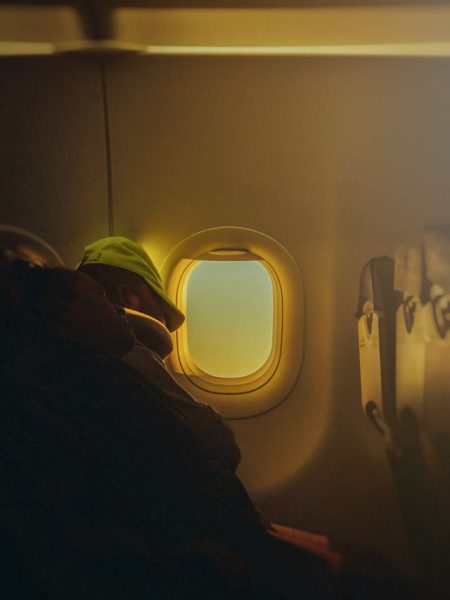
Let’s be honest: sleeping on a plane is rarely ever glamorous (with the exception of first class in Emirates, Air France or Etihad (where they have first class APARTMENTS). Even in business class, it’s still a pressurized metal tube hurtling through the sky with dry air, unfamiliar noises, and a seat that was clearly not designed with aging hips or cranky lower backs in mind.
That said, after decades of flying from short hops, long-haul international routes, to red-eyes that blur into the next morning, I’ve learned that getting rest in the air isn’t about luck. It’s about intention. A few small, thoughtful adjustments can mean the difference between landing exhausted and landing ready to enjoy the trip you worked so hard to plan.
If like me (I’m 71), you’re a boomer/senior traveler who values comfort, wellness, and arriving feeling like yourself, these are the strategies that have helped me.
Start With the Right Seat (It Matters More Than You Think)
Your seat choice can quietly make or break your ability to rest. This isn’t about chasing the “best” seat; it’s about choosing the least disruptive one for your body and sleep style.
Window seats tend to be the most sleep-friendly for us more mature travelers. You can lean gently against the side of the plane, control the light near you, and avoid being bumped every time someone heads to the aisle. It’s easy to catty-corner a pillow (or roll up your sweatshirt) here as well. That stable surface can be surprisingly comforting, especially if you tend to wake easily.
Aisle seats are ideal if you know you’ll need to stand, stretch, or use the restroom during the flight. The trade-off is interruptions like carts, passengers, and the occasional elbow from someone walking past. If you choose the aisle, plan your sleeping position so you’re not spilling outward, which helps you relax instead of staying tense. (FYI, as a post menopausal woman, this is my #1 seat choice as I hate having to disturb others when I go to the bathroom 10 times per flight).
Middle seats, no surprise here that these are the hardest for sleeping, particularly if you have stiff joints, bad circulation, or are tall.. If you do end up there, keeping your immediate space uncluttered helps. The less you feel boxed in, the easier it is to relax. Forgo storing anything under the seat in front of you in this spot…a hint from a SHORT person who still needs room to stretch when sleeping.
Wherever you sit, try to avoid rows near restrooms and galleys. Foot traffic, doors opening, and constant movement can sabotage even the best sleep setup.
Dress for Circulation, Not Style Points
Comfort on a plane starts long before you close your eyes.
Tight shoes, snug waistbands, and restrictive layers may look polished at the gate but can become downright uncomfortable once you’ve been seated for hours. On flights, I find that my feet swell along with almost every other part of me. It’s one of those things that is just more common as we age, and restricted circulation doesn’t just cause discomfort; it can actually wake you up.
Loosen shoelaces or opt for shoes that allow easy movement. If you remove your shoes mid-flight, slipping into clean socks or soft foot coverings can help you stay warm without feeling confined (or making your neighbor go ewwwwww).
What you wear should allow for gentle movement and stretching without digging in. Think breathable layers you can add or remove as the cabin temperature changes. Your goal is to forget about what you’re wearing entirely!
Alcohol and Caffeine: The Sneaky Sleep Saboteurs
I know it’s tempting. A glass of wine to “take the edge off,” a cup of coffee to get through boarding. But both can quietly undermine your rest.
Caffeine lingers longer in our systems as we age, even when we think we’re immune. Alcohol may make you drowsy initially, but it interferes with deeper, restorative sleep and can leave you dehydrated and restless halfway through the flight.
If sleep is the goal, hydration is your best ally. Water may not feel like fun, but your body will thank you when you wake up without a headache, dry mouth, or that foggy “why am I so tired?” feeling.
How You Sit Matters More Than You Realize
Crossed legs, awkward twists, and locked knees may feel natural at first, but over time, they restrict blood flow and strain the lower back and hips.
A more sleep-friendly position keeps both feet flat or lightly (hence keeping the seat in front of you clear of your handbag, backpack, etc.), knees slightly bent, and hips aligned. Small adjustments like uncrossing your legs, rolling your ankles, and gently flexing your feet can make a big difference in comfort and circulation.
Every hour or so, even if you don’t fully wake up, a subtle shift or stretch can prevent stiffness and reduce swelling. Think of it as quiet sleep maintenance for your body rather than “exercise.”
Create a Calm, Sleep-Ready Bubble
Planes are sensory overload machines. Light, sound, movement—it all adds up.
Blocking excess stimulation is one of the simplest ways to signal your body that it’s time to rest. Dimming your personal light, shielding your eyes from glare, and reducing ambient noise helps your nervous system settle.
Neck and head support matter, especially if you tend to wake with stiffness. A scarf, shawl, or soft wrap can be folded or rolled to support your neck or shoulders without forcing you into an unnatural position.
Warmth also plays a role. Even a light layer can make you feel cocooned, which promotes relaxation. The goal isn’t deep, perfect sleep, You need enough comfort that your body lets go.
If you have a neck pillow, use it. I also bring a silk eye mask (I use silk because it’s so light that I don’t feel it) in case the person sitting next to me is watching a movie or has their overhead light on, and my favorite (comfortable) pair of earplugs. I personally don’t like the foam ones as they are not only difficult to get into to your ears, but they aren’t comfortable (and having to adjust them ruins my sleep). I invested in a really good, well-fitting pair (I also have them because my husband snores, so they are an essential part of my sleep routine at home as well).
Adjust Your Expectations (This Is Key)
Here’s the truth no one talks about: airplane sleep is rarely the same as bed sleep, and that’s okay.
Resting, dozing, drifting, closing your eyes and breathing deeply, it all still counts. Even short periods of light sleep can reduce fatigue and help you feel more grounded when you land.
Instead of chasing eight uninterrupted hours, aim for comfort, calm, and restfulness. When you release the pressure to “sleep perfectly,” your body often relaxes enough to sleep better anyway.
Build a Simple In-Flight Sleep Ritual
Rituals signal safety and familiarity, especially when we’re out of our normal routines.
Maybe it’s washing your hands, moisturizing, stretching your neck, or listening to something familiar and soothing. Doing the same small actions during your flight helps your body recognize that it’s time to wind down.
This is especially helpful on overnight or long-haul flights, when time zones blur, and your internal clock needs a gentle nudge.
One Last Thing: Be Kind to Yourself
Travel is a privilege, but it’s also physically demanding, especially as we age. Expecting yourself to bounce off a long flight without any fatigue sets an unrealistic bar.
Plan arrival days gently when possible. Build in rest, light meals, and easy movement. The better you treat yourself in transit, the more you’ll enjoy the destination.
Sleeping on a plane may never be perfect, but with a little intention, it can be good enough. And sometimes, good enough is exactly what we need to start a trip feeling grounded, calm, and ready for whatever adventure comes next. 🥂

Oh, and one more thing. I DON’T take a sleeping pill when I’m on a flight, even though I have them. Why? Because if I don’t get enough sleep and I take a pill, the next 2 days are ruined for me. I just function better. But, you know your body best when it comes to this.