Some homes feel easy to be in. Not styled, not overly arranged, just comfortable in a way that holds up through the year. Winter does not make them feel boxed in, and summer does not drain them of warmth or character. The balance stays, even as the light shifts and the temperature changes.
That kind of comfort is rarely the result of quick updates or seasonal décor swaps. It usually comes from quieter decisions. The kind that affects how a home behaves when no one is paying attention to it.
More homeowners are beginning to favour that approach. Instead of refreshing rooms with every season, there is a growing preference for choices that last. Materials that settle in. Layouts that make sense. Finishes that do not demand constant adjustment. When those foundations are right, the space feels calmer without trying to.
Comfort That Isn’t Just Visual
Soft furnishings still matter, but they are no longer carrying the full weight of comfort. How a room holds heat, how air moves through it, and how daylight enters often make a bigger difference over time. These elements shape how a space feels in the morning, late in the evening, and through long stretches spent indoors.
The Energy Saving Trust continues to highlight the impact of reducing heat loss, not only for efficiency but for everyday comfort. Homes that maintain a steady temperature tend to feel more settled. There is less need to compensate with heavy layers in winter or constant shading in warmer months.
Small frustrations such as draughts, cold spots near windows, and condensation start to fade into the background. When that happens, a home feels more welcoming without anything obvious having changed.
Texture That Knows When to Step Back
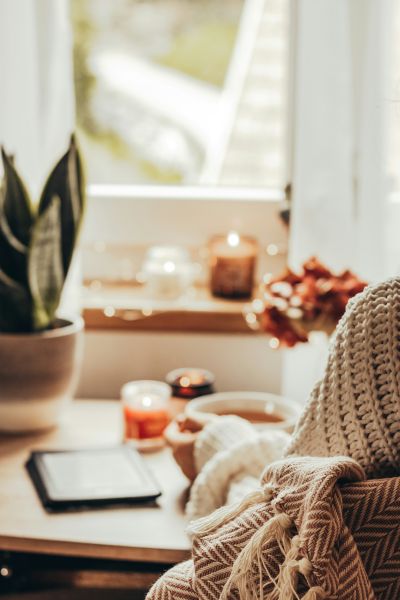
Texture works best when it is not trying to be noticed. Natural fibres like wool, linen, and cotton adapt well as seasons change. They feel reassuring in colder weather and remain light enough when temperatures rise. Used thoughtfully, they add warmth without clutter.
Harder materials bring balance. Timber, stone, and softly finished metals ground a space and give it weight. These surfaces tend to age well, which is why they are common in interiors designed to last rather than impress for a moment. They settle in instead of shouting for attention.
Design coverage from sources like House Beautiful UK often points to this kind of layering as the reason certain spaces feel timeless while others date quickly.

Windows, Light, and the Way a Home Feels
Furnishings can change with little effort, but structural elements stay with a home for decades. Windows, in particular, influence both comfort and atmosphere more than many people realise. In winter, inefficient glazing allows warmth to drift away. In summer, the same windows can flood rooms with glare and heat, making them feel unsettled despite careful styling.
Energy-efficient windows from brands such as WindoWorld help manage those shifts without drawing attention to themselves. Modern glazing supports temperature control, softens outside noise, and allows natural light to remain consistent through the year. With fewer extremes to manage, interiors rely less on heavy curtains or constant cooling, keeping spaces visually open and uncluttered.
In homes that lean toward quiet elegance, details like glazing performance and frame proportions often matter more than decorative statements.
Seasonal Changes That Don’t Feel Forced
Homes that feel refined tend to respond to the seasons rather than react to them. Lighter textiles appear as days grow longer. Deeper textures return when evenings cool. These changes feel natural when the structure of the home already supports comfort.
Lighting follows the same principle. Warmer tones soften darker months, while adjustable lighting allows spaces to open up as daylight increases. When insulation, layout, and window performance are handled properly, lighting enhances the atmosphere instead of correcting it.
When Practical Decisions Become the Luxury
Over time, a home’s functionality is increasingly linked to luxury and its beauty. A room that remains cosy throughout the changing seasons requires less upkeep, consumes less energy, and is more pleasant to live in. Long after decorative style trends have faded, these characteristics and elements usually remain important.
Nowadays, many consider insulation, effective glazing, and long-lasting materials to be design decisions rather than merely technical improvements. They allow homes to feel composed while quietly doing their job.
A Home That Holds Its Ground
Creating a cosy yet elegant home for every season is not about chasing change. It is about preparing for it. When warmth, light, and texture are handled with care, a home adjusts without effort. The result is not a space that feels styled for a particular moment, but one that feels steady, lived-in, and right, whatever the weather outside.