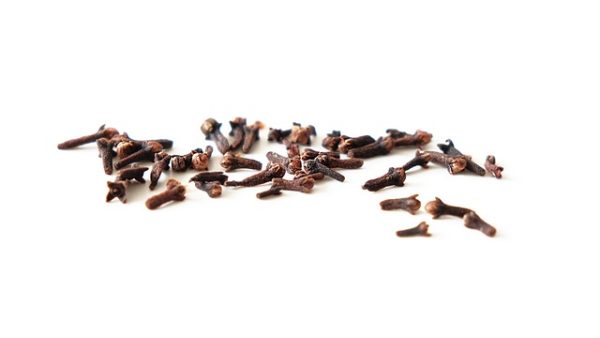
Cloves are a popular spice used in cooking and natural remedies around the world. Many women add cloves to their diet or wellness routine because of their potential health benefits. However, cloves can also cause unwanted effects that women should know about before use.
While cloves offer certain advantages, they contain active compounds like eugenol and phytoestrogens that may affect women’s bodies differently than men’s, particularly in areas related to hormones, pregnancy, and blood health. The compound eugenol gives cloves their distinct flavor and medicinal properties, but it can also lead to problems if consumed in large amounts. Women face specific risks that deserve attention before they decide to use cloves regularly.
This article examines five side effects that women should consider. These include hormonal changes, pregnancy risks, allergic reactions, organ irritation, and increased bleeding tendencies. Understanding these potential issues helps women make informed choices about whether cloves fit into their health plans safely.
1. Hormonal Imbalance Due to Phytoestrogens
Cloves contain phytoestrogens, which are plant compounds that act like estrogen in the body. These substances can affect hormone levels in women, especially those already dealing with hormone-related conditions. While some people seek out the health benefits of cloves for a woman related to hormone support, too much consumption of it can cause problems.
Phytoestrogens in cloves may disrupt the delicate balance of hormones in a woman’s body. This disruption can lead to irregular menstrual cycles or worsen symptoms in women with PCOS. The compound eugenol in cloves mimics estrogen, which might help some women but harm others.
Women in menopause or those with existing hormone issues should be careful. Too much phytoestrogen intake may interfere with the body’s natural hormone production. The effects vary based on how much a person consumes and their current hormone levels.
Most experts suggest that phytoestrogens from whole foods in moderate amounts are generally safe. However, concentrated forms or excessive use of cloves may lead to unwanted hormonal effects.
2. Risk of Uterine Contractions During Pregnancy
Clove oil can stimulate the uterus if consumed in large amounts. This stimulation leads to increased uterine contractions, which may trigger premature labor. The active compounds in cloves affect muscle tissue, and the uterus responds to these substances in ways that can be harmful for expectant mothers.
Pregnant women who consume clove oil or high doses of clove supplements face a higher risk of preterm delivery. The contractions caused by excessive clove intake can start labor before the baby is ready to be born. This risk is particularly concerning during the later stages of pregnancy.
Small amounts of cloves as a spice in food are generally considered safe. However, concentrated forms like oils, teas, or supplements pose greater dangers. Healthcare providers recommend that pregnant women avoid these concentrated forms entirely or consult with their doctor before use. The potential harm to both mother and baby outweighs any possible benefits during this sensitive time.
3. Potential Allergic Reactions When Used Topically
Cloves can trigger allergic reactions on the skin, especially for women who have never used them before. The compound eugenol in cloves often causes these reactions. A patch test on a small area of skin helps identify sensitivity before full application.
Symptoms of a topical allergic reaction include redness, severe burning, and swelling at the site of contact. Some women also experience itching, hives, or rashes. These reactions can happen with clove oil, ground cloves, or products that contain clove extracts.
Women who notice difficult breathing or swelling of the face, lips, or throat should seek emergency medical help immediately. These signs indicate a serious allergic response. Anyone with sensitive skin or a history of plant allergies faces higher risk.
Concentrated clove oil poses more danger than small amounts of ground cloves used in cooking. Therefore, women should dilute clove oil properly and avoid direct skin contact with pure forms. Those who experience any adverse skin reactions should stop use right away and consult a healthcare provider.
4. Eugenol-Induced Liver and Kidney Irritation in Excess
Eugenol serves as the main active compound in cloves. However, large amounts can harm the liver and kidneys instead of helping them.
Low doses of eugenol rarely cause problems beyond minor skin irritation or allergic reactions. The situation changes when someone consumes too much. High doses can lead to serious tissue damage in both organs.
Research shows that eugenol overdose may trigger sudden seizures and coma in severe cases. The liver and kidneys bear the brunt of this toxic overload because they filter substances from the body.
Studies reveal that eugenol affects kidney function and structure based on the dose taken. This means more is not better. The compound can shift from protective to harmful as amounts increase.
Women who use clove supplements or essential oils need to stick to recommended doses. The difference between a safe amount and a dangerous one matters greatly for organ health.
5. Blood Thinning Effects Leading to Increased Bleeding Risk
Cloves contain compounds that can slow down blood clotting. This natural property may cause problems for women who already take anticoagulant medications or have blood disorders. The spice affects how platelets stick together, which means cuts and injuries may bleed longer than normal.
Women who use cloves in large amounts might notice they bruise more easily. Even minor bumps can result in noticeable bruises on the skin. However, this typically happens only with excessive consumption rather than normal culinary use.
The risk becomes more serious for women scheduled for surgery or dental procedures. Doctors often recommend that patients stop blood thinners before operations. Therefore, women should tell their healthcare providers about regular clove use, especially if they consume clove supplements or essential oils.
Heavy menstrual periods can worsen in some women who use cloves frequently. The anticoagulant effect may lead to heavier flow or extended periods. Women who already experience heavy cycles should monitor their response to clove consumption carefully.
Conclusion
Cloves offer several health benefits, but women need to understand the potential side effects before use. Too much clove consumption can affect hormones, cause skin reactions, or lead to digestive problems. Pregnant women should be especially careful because cloves may trigger uterine contractions in large amounts.
Moderation is key with this powerful spice. Anyone who plans to use cloves regularly or in high doses should talk to a healthcare provider first.