Life in the Philippines comes with its share of little surprises. Most of them aren’t life-changing, but they can still throw off your day if you’re not ready. The best way to keep these everyday emergencies from becoming stressful is to combine awareness with a bit of preparation. A small amount of foresight goes a long way in helping you handle these situations smoothly.
What emergencies should you watch out for as you go about your day? Here’s a list of the most common ones:
1) Weather- and Environment-Related
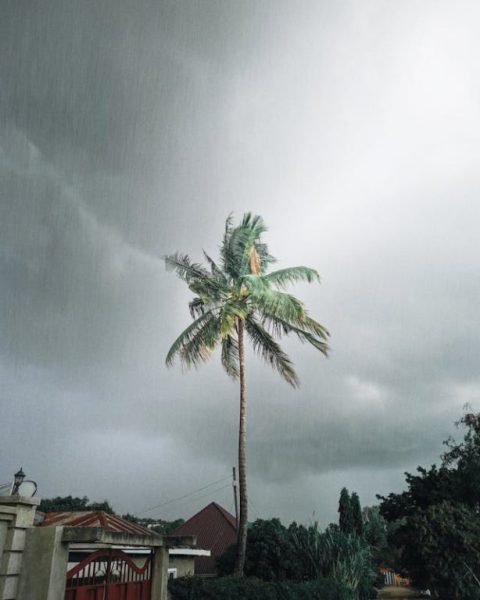
The Philippines is a tropical country, and as you know, the weather here can switch moods in a matter of minutes. You can leave the house with clear skies only to get caught in a sudden downpour. Having an umbrella or a foldable raincoat tucked into your bag means you won’t have to worry about being soaked on your way to work or a meeting.
Beyond rain, you should also keep in mind how quickly streets can flood. Even a short burst of rain can leave low-lying roads underwater. If you’re driving or commuting, it helps to know alternative routes in advance. This way, you won’t have to scramble to find another way around when traffic builds up.
And of course, there’s the heat. On particularly hot days, dehydration or heat exhaustion can sneak up on you. The extra task of carrying a refillable water bottle and a small towel may seem simple, but it’s one of the most practical ways to protect yourself. A bit of shade, hydration, and rest when needed are enough to keep you from feeling run down.
2) Power and Utilities
Brownouts are part of everyday life in many parts of the country. While a short power outage isn’t a major disaster, it can feel frustrating if you don’t have a plan for what to do when it strikes. Having a power bank, flashlight, and rechargeable fan can make the wait much more comfortable. If you live in an area with frequent outages, it’s worth keeping these items fully charged before you leave home.
Another common issue is when ATMs or cashless systems suddenly stop working. It’s smart to keep a small amount of cash in your wallet for these moments. The same applies to your phone’s connectivity. If you can’t connect to Wi-Fi, having enough prepaid load ensures you can still get online, book rides, or message people. Some providers even offer load with cashback, which is a practical way to stretch your budget while staying connected during emergencies. You can use your Maya e-wallet to purchase and get the best deals on load.
3) Health and Personal Care
Everyday health hiccups happen when you least expect them. You could be out at a gathering and suddenly feel your stomach acting up. Carry a few basic medicines for upset stomachs, headaches, or allergies to bounce back without cutting your day short.
Minor cuts and scrapes are also part of daily life, especially if you have kids. A compact first-aid pouch with band-aids and antiseptic wipes doesn’t take up much space, but it makes dealing with small accidents much easier.
Hygiene is another area where being prepared helps. It’s easy to forget a face mask or run out of hand sanitizer when you’re rushing. Keeping spares in your bag means you won’t have to hunt for a store at the last minute. These small steps keep you comfortable and confident while you’re out and about.
4) Travel and Commuting
Traffic is an everyday reality for many Filipinos, and it doesn’t take much for it to get worse than expected. There could be an accident on the road or a sudden downpour, and this means you’ll likely end up sitting longer than you planned. Keep snacks and water in your bag to make these delays easier to manage.
Commuting also comes with its own share of hiccups. Jeepneys, tricycles, or buses can break down or get delayed. That’s why it helps to keep ride-hailing apps installed and make sure you have enough load or data to use them. This way, you’re not left stranded if your original ride falls through.
Another common problem is your phone battery running out right when you need it most. Keeping a reliable power bank handy means you won’t have to worry about being cut off from calls, maps, or messages. It’s a small preparation that can save you from bigger headaches on the road.
5) Daily Essentials and Personal Items
Not all emergencies are the dramatic type. Sometimes, they’re just inconvenient. Imagine heading into a meeting only to find out that your shirt button popped or your hem came loose. Keeping safety pins or double-sided tape in your bag gives you a quick fix.
Losing or misplacing important items like keys, IDs, or cards is another hassle many people know too well. A good precaution is to keep duplicates of keys and photocopies of IDs in a safe place at home. It won’t prevent the loss, but it does make recovery much easier.
Your schedule can also change in an instant. Having a planner, notebook, or notes app on your phone helps you stay organized and avoid missing important commitments. And when it comes to finances, unexpected expenses can creep up on you. A little savings buffer or a digital wallet ensures you don’t have to stress over last-minute payments.
Staying Ahead of Everyday Emergencies
Most of these situations aren’t serious, but they can be stressful if you’re caught off guard. The good news is that being aware of the most common everyday emergencies in the Philippines, and taking a few steps to prepare, makes a huge difference. Whether it’s keeping an umbrella in your bag, a power bank in your pocket, or a small stash of cash and supplies on hand, these simple habits mean you can go through your day with confidence, ready for whatever comes your way.