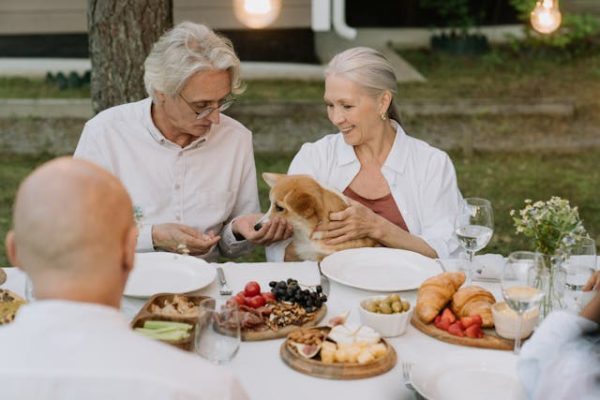
There’s a funny thing about outdoor dinners. People always imagine they need some grand plan or a long grocery list, but the evenings that actually stick in your memory usually come from the simplest setups. A table that looks inviting, a bit of smoke from the grill drifting around, and food that doesn’t demand your full attention. That’s the entire formula.
The real trick is getting out of your own way. If you can make a few good decisions up front, the rest of the night sort of guides itself.
Secret 1: Create the mood first (even if you haven’t cooked a thing)
Most folks start with the food, but the atmosphere does more heavy lifting than any recipe ever will. Before you even turn on the grill, try setting the table. Not perfectly, just… finished. A few candles, plates already out, napkins loosely folded, nothing fussy. It instantly switches your brain from frantic prep mode into “OK, the evening has started.”
What matters here isn’t design perfection. It’s the feeling that guests walk into something already in motion. A little continuity helps: repeat the same color in two or three places or stick to materials that naturally match outdoors. You can mess up the cooking later and nobody will notice if the table already feels warm and intentional.
Secret 2: Pick one hero dish and let everything else fall into place
Once the vibe is set, you only need one dish to anchor the meal. One. Everything else can be embarrassingly simple as long as that main item feels generous.
Something like beef arayes fits perfectly into this idea. They’re essentially meat-stuffed pitas grilled until crisp, and they strike this sweet middle ground between comfort food and “oh wow, what is this?” You can mix the filling earlier in the afternoon, stuff the bread without much thought, and bring them to the grill while people wander over with a drink. It feels social instead of stressful.
Add a chopped salad you can make in a big bowl (tomatoes, herbs, lemon, olive oil — nothing complicated) and maybe a little mezze board. The trick is choosing things that don’t demand attention once guests arrive.
A tiny practicality worth mentioning: cooking outdoors sometimes makes you second-guess whether the heat is high enough or if the meat is actually done. A quick glance at safe cooking guidelines keeps things grounded, and honestly, using a meat thermometer takes so much pressure off. No poking, guessing, or nervously cutting things open.
Secret 3: Drinks and pacing matter more than most of the food
A great outdoor dinner has a rhythm. People drift in, grab something light to sip, and settle before the main event. You don’t need a signature cocktail or anything fancy — half the charm is in the looseness of it.
When you do pour wine, think about what plays well with grilled and slightly spiced foods. Fresh, bright styles almost always win. If you want a little inspiration, pairing drinks guides can nudge you toward bottles that won’t fight the flavors on the table.
And dessert? Keep it small. Berries, a square of something sweet, or even just coffee outside as the air cools down. People rarely remember dessert anyway; they remember how the evening felt.
The truth is, hosting well isn’t about mastering recipes. It’s about giving the night room to breathe. Set the mood, trust one good dish, pace things gently — and you’ll create the kind of al fresco dinner that feels effortless not because you worked less, but because you worked smarter.